




PES原材料指的是聚醚砜(PES)的基本形态,这是一种高性能工程热塑性塑料,以其卓越的耐热性,化学稳定性和机械强度而闻名。PES材料广泛应用于对耐久性和高温性能要求极高的行业,例如医疗,过滤,电子和航空航天等领域。
1. PES材料概述
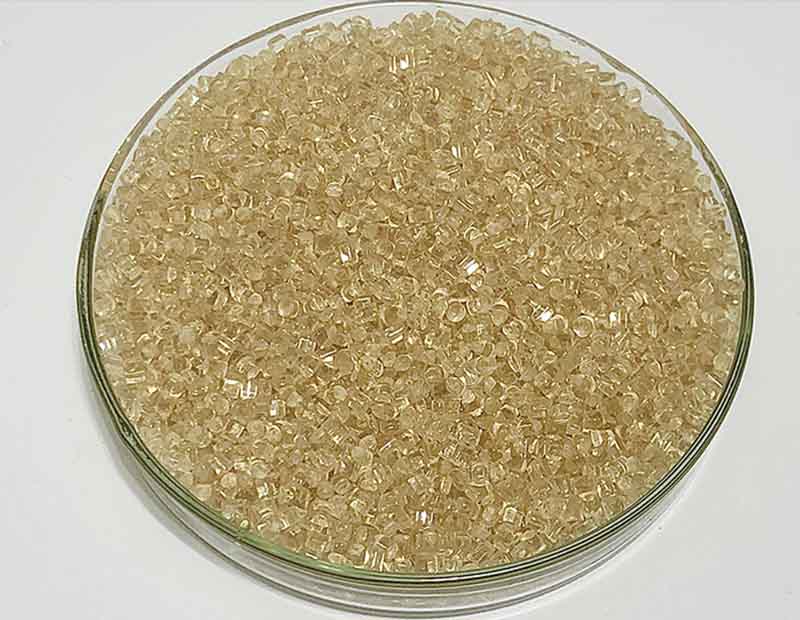
PES材料是属于砜类无定形聚合物,与PSU和PPSU类似,但具有更高的耐温性。PES通常呈透明至浅琥珀色,具有优异的尺寸稳定性和耐水解性。
PES原材料的主要特点:
高连续工作温度——高达 180°C。
对酸,碱和洗涤剂具有优异的耐化学腐蚀性。
优异的水解稳定性——适用于反复蒸汽灭菌。
即使在高湿度环境下,也具有出色的尺寸稳定性。
PES材料常见应用包括水过滤膜,医疗器械外壳,航空航天部件和食品加工设备。
2. PES原材料的物理和化学性质
PES原材料的特性兼具优异的热性能和强大的机械及电气特性:
| property | typical value |
|---|---|
| 玻璃化转变温度(tg) | 约225摄氏度 |
| 连续使用温度 | 180°C |
| 抗拉强度 | 90–100兆帕 |
| 吸水率(24小时) | <0.4%<> |
| chemical resistance | excellent against acids/alkalis |
chemical resistance of pes materials makes them ideal for filtration and medical environments where aggressive cleaning agents are used. pes resists hydrolysis, ensuring long-term stability in hot water and steam.
3. pes raw materials manufacturing process
the pes manufacturing process involves several steps to ensure purity and performance:
polymerization reaction – pes is synthesized via condensation polymerization of bisphenol s (bps) and dichlorodiphenyl sulfone under alkaline conditions.
purification – removing residual solvents and unreacted monomers.
pelletizing – converting into uniform granules for processing.
quality testing – verifying thermal, mechanical, and chemical resistance properties.
processing pes materials typically includes injection molding, extrusion, and thermoforming. as with other sulfone polymers, pre-drying before processing is crucial to prevent defects caused by moisture.
4. pes vs psu vs ppsu: high-performance plastics comparison
| property | pes | psu | ppsu |
|---|---|---|---|
| max continuous use temp | 180°C | 170°c | 180°C |
| transparency | transparent/amber | transparent/amber | transparent/amber |
| impact resistance | good | good | excellent |
| chemical resistance | excellent | good | excellent |
| cost | higher than psu | moderate | higher than psu |
pes vs psu: pes has a higher glass transition temperature and better thermal stability than psu.
pes vs ppsu: ppsu offers better impact strength, but pes provides superior dimensional stability at high temperatures.
for engineers comparing pes vs psu vs ppsu, pes is often chosen when thermal stability and chemical resistance are top priorities.
5. sustainability and pes plastic recycling
with growing environmental awareness, pes raw materials are being evaluated for sustainability and recyclability:
durable performance reduces waste by extending product life.
pes plastic recycling process allows for reprocessing clean, uncontaminated scrap.
chemical recycling research aims to recover monomers from pes waste for reuse in new materials.
manufacturers are also adopting greener pes manufacturing processes by minimizing solvent usage and improving energy efficiency.
pes raw materials are a versatile and reliable choice for industries requiring heat resistance, chemical durability, and long-term performance. whether used in filtration membranes, medical devices, or aerospace components, pes materials deliver exceptional results. with advancements in recycling and sustainable production, pes is positioned to remain a leading high-performance plastic for the future.
